Mealio — Photo-First Meal Tracker with AI
Log meals in 1 second with just a photo. No calorie databases, no manual input. The easiest meal tracking app for people who gave up on food diaries.
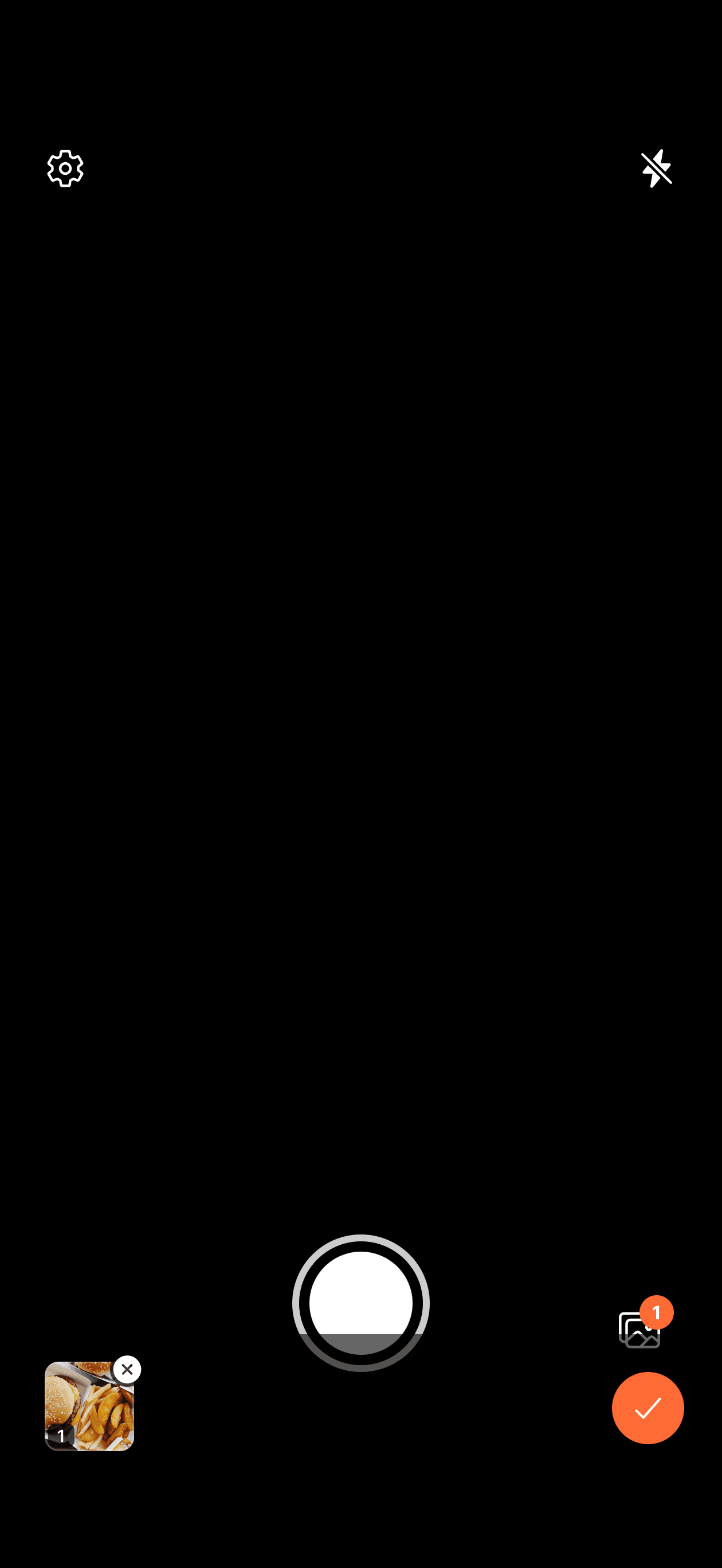
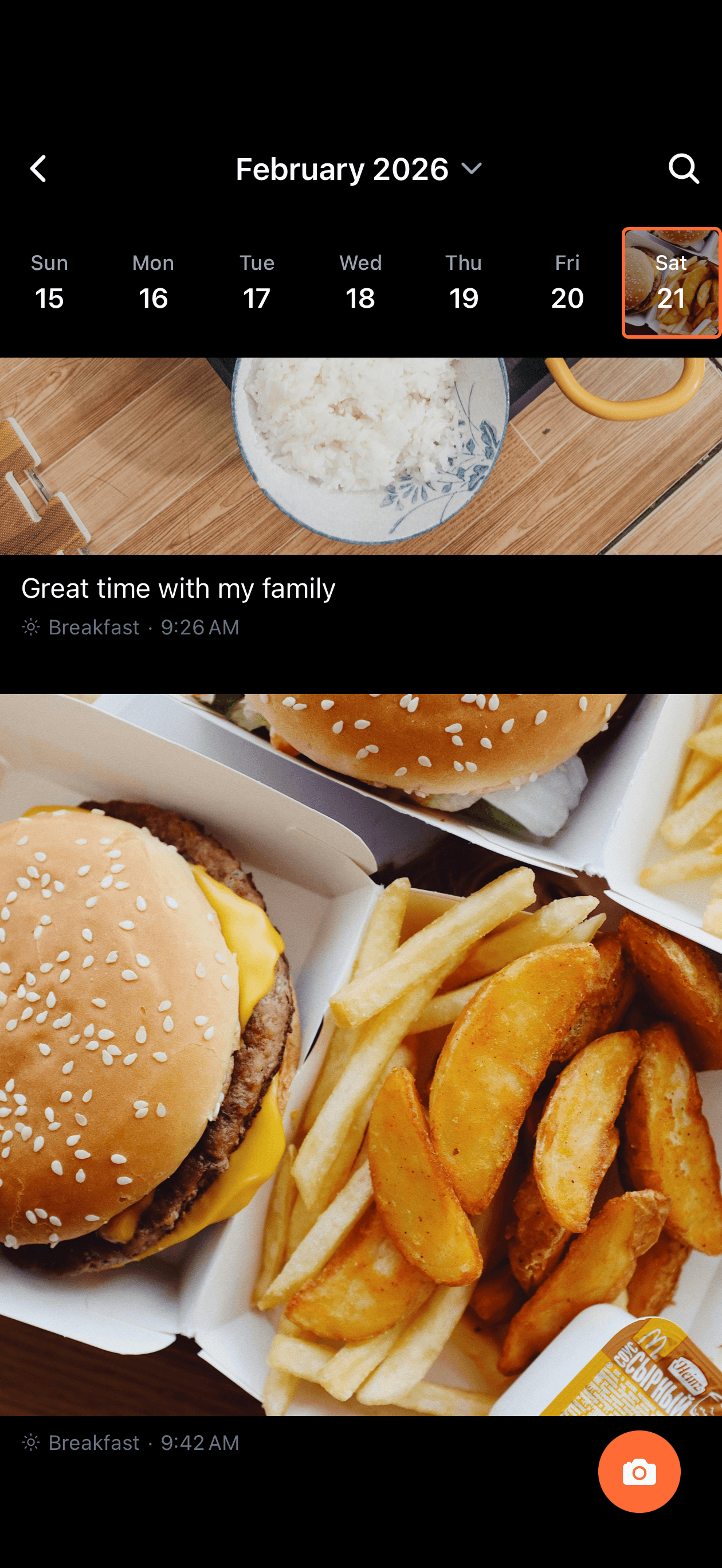
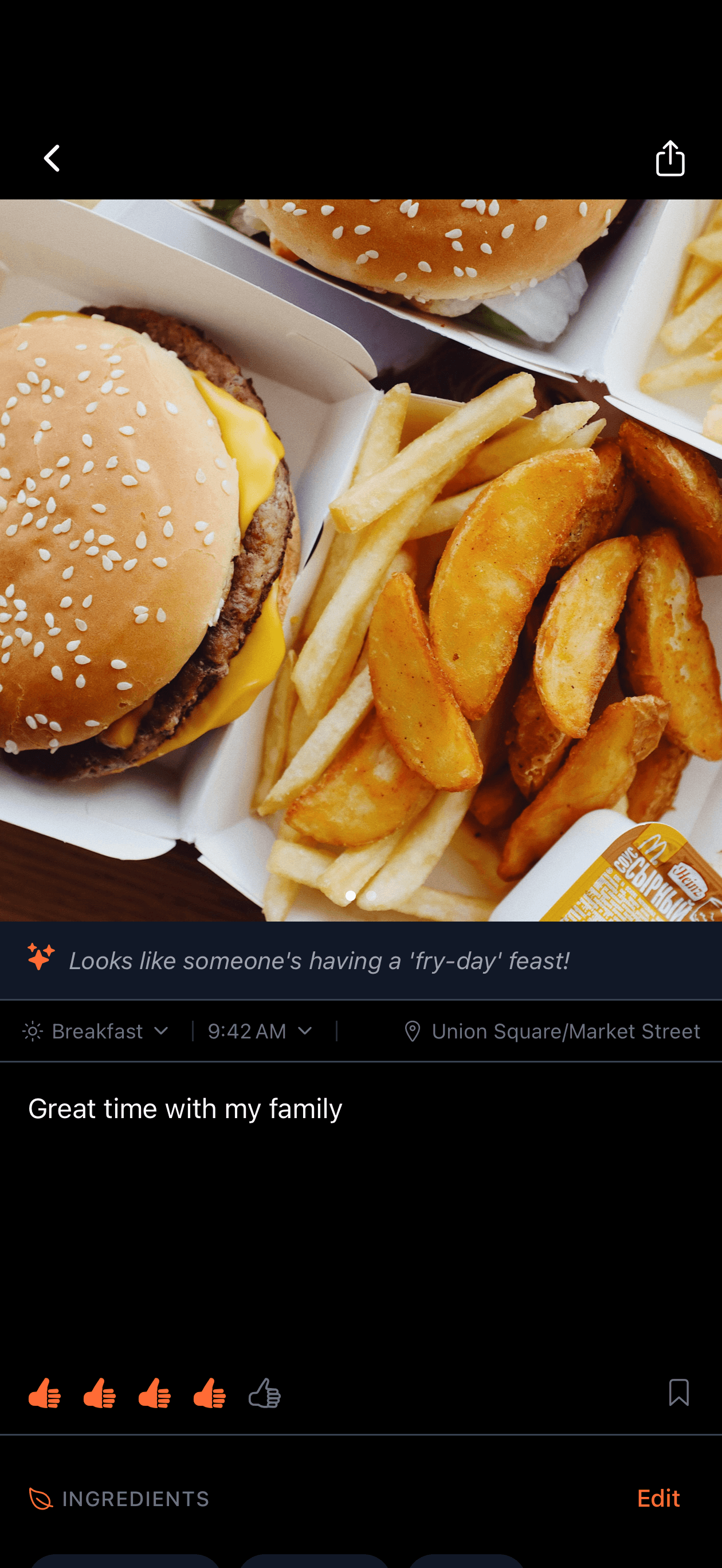
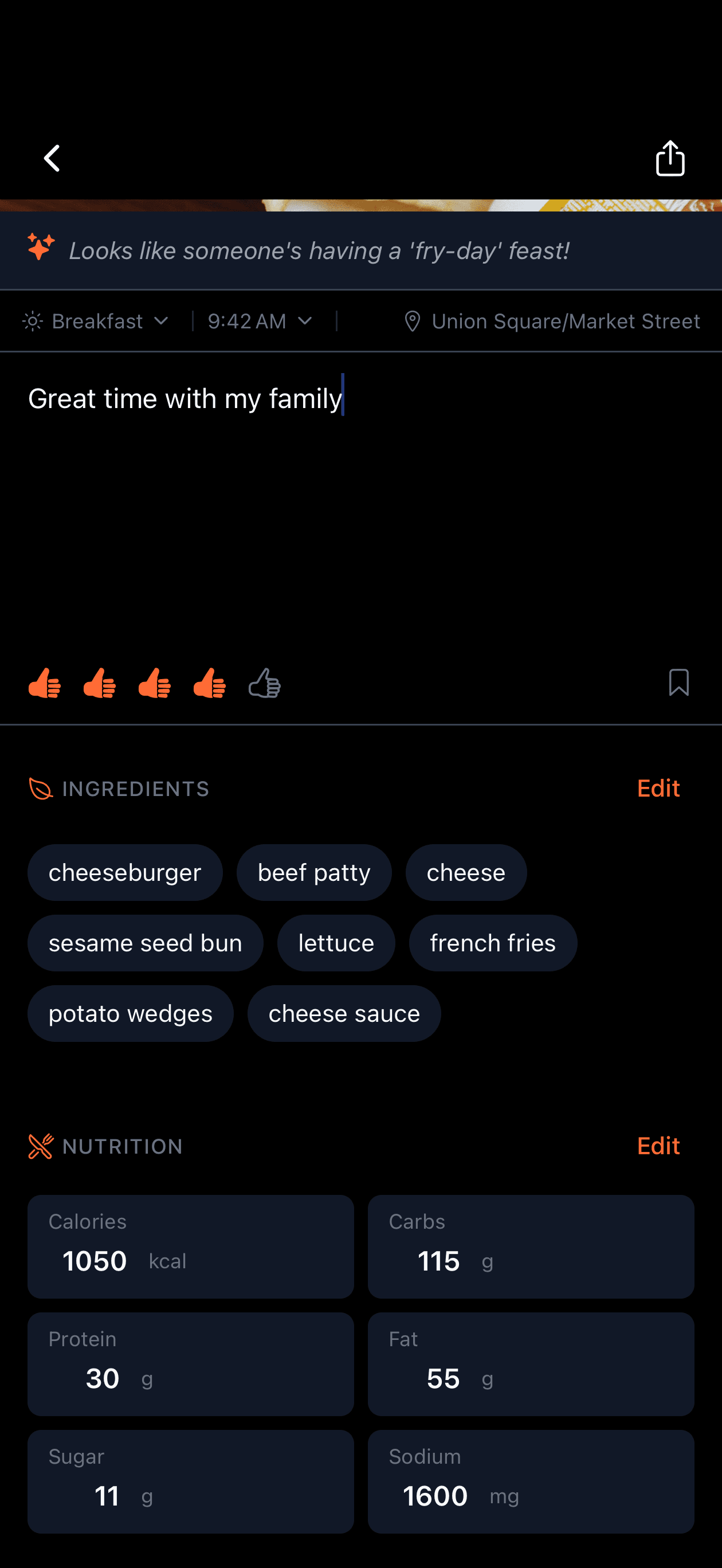
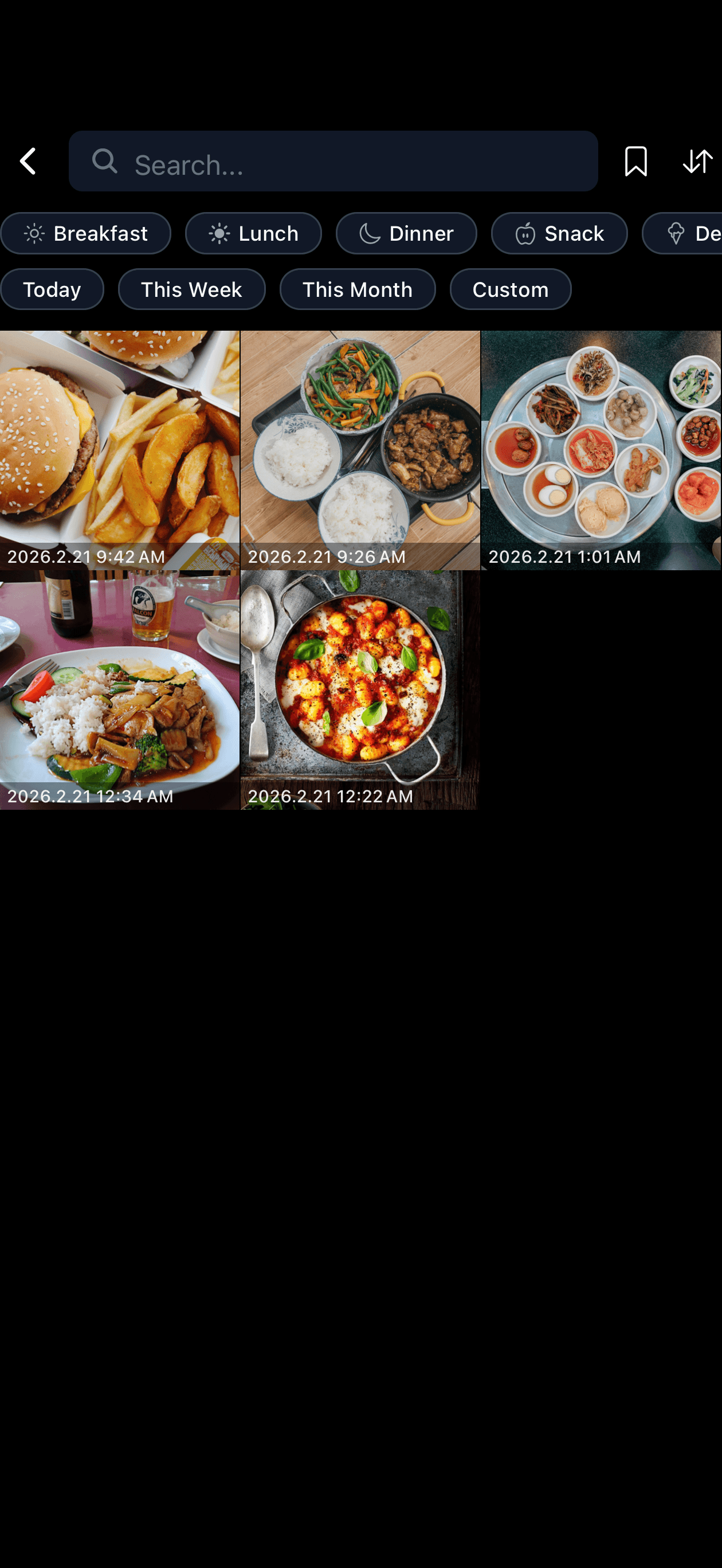
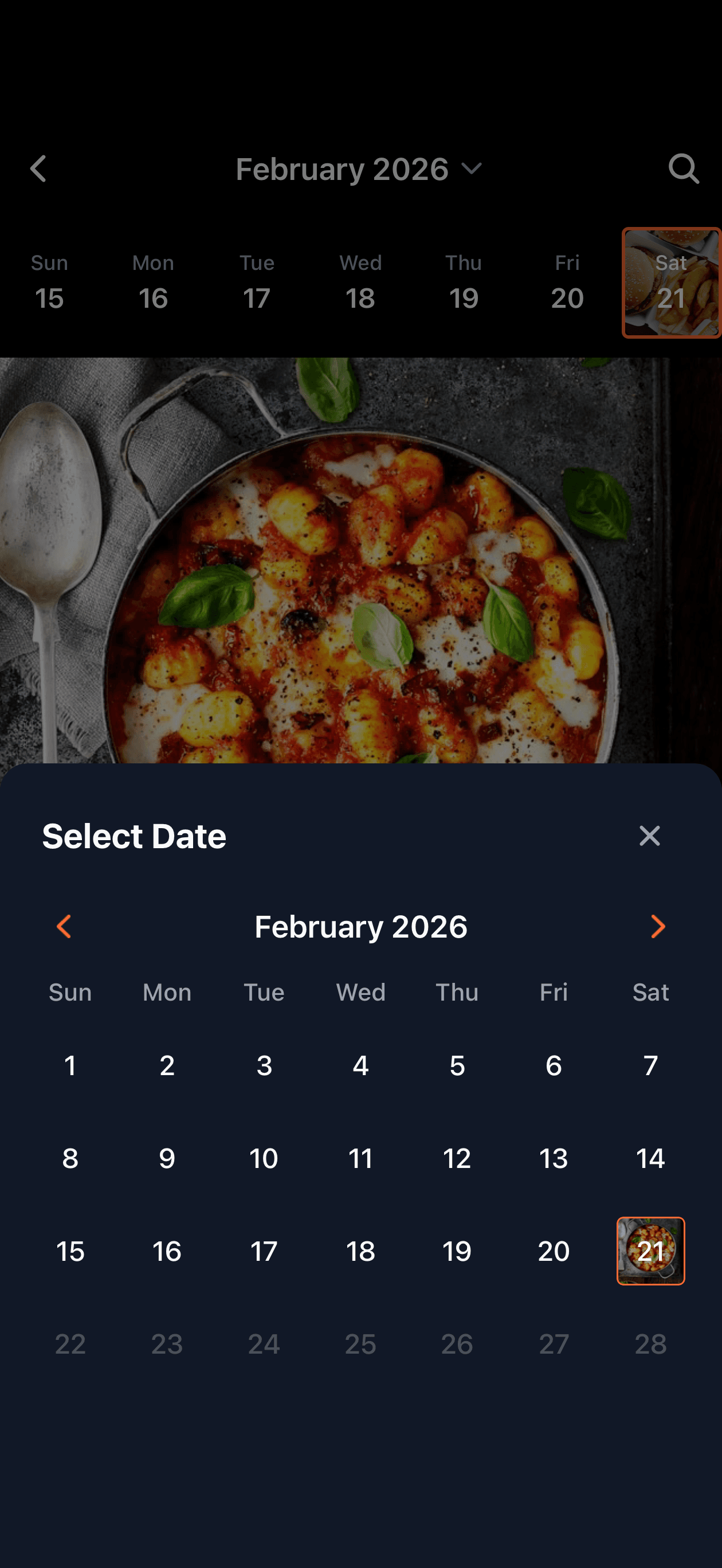
MyFitnessPal: 30 seconds per entry. Lose It!: 15 seconds. Mealio: under 1 second.
The difference isn't a faster database. There is no database search. Open the app, the camera is ready at your thumb, snap your meal, entry saved. That's it. Nutrition, ingredients, notes, ratings — all optional. Add detail when you want to. Skip it when you don't.
A single photo is a complete meal record. The bet: if logging takes 1 second, people actually keep doing it.
AI runs after you, not before you
Take a photo and move on. In the background, AI identifies ingredients, estimates calories and macros, and attaches a confidence score. Korean food gets Korean comments. The key point: you never wait for AI, and AI is never required to save an entry. If AI is down, your meal log is not.
No signup, no commitment
Guest mode stores 10 entries on your device. No email, no password, no OAuth prompts. Just open, snap, done. When you want cloud sync and unlimited entries, signup takes 30 seconds — and every guest entry migrates automatically. Nothing lost.
Features
1-Second Capture
From camera tap to saved — consistently under 1 second.
No Calorie Lookup
Skip the database search. Your photo is the record.
AI Meal Analysis
Auto-detect ingredients and estimate nutrition from your photo.
Guest Mode
Try instantly with local storage. No signup required.